Measuring Spoons in the Kitchen: Do You Know the Differences?
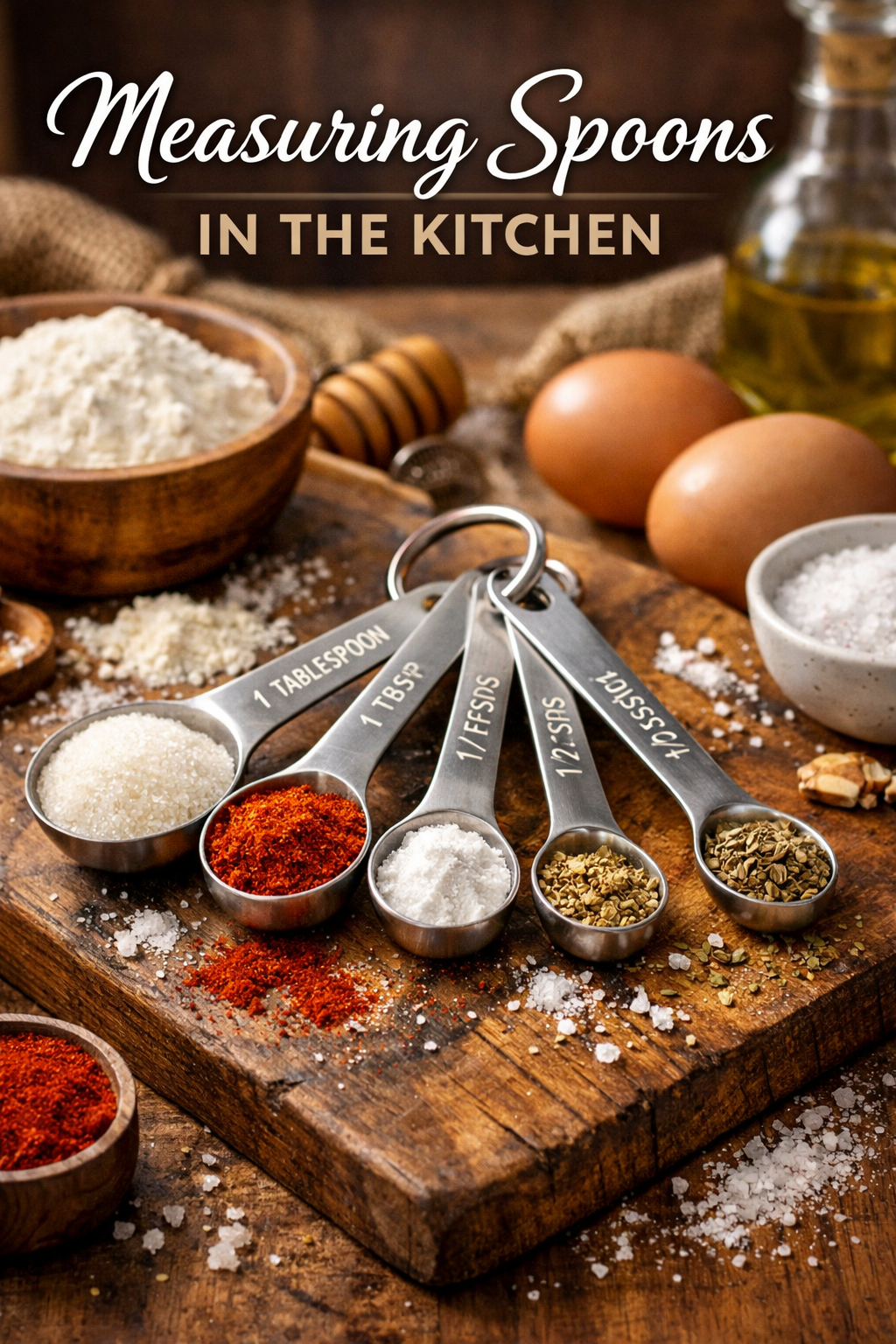
Measuring Spoons in the Kitchen: Do You Know the Differences? Spoons are common kitchen utensils, used daily to measure ingredients during meal preparation.
However, many people may not be aware of the differences between types of spoons and the precise measurements each one represents.
Whether you’re following a recipe from a cookbook, a blog, or a video tutorial, understanding these measurements is essential for achieving consistent, delicious results.
In this guide, we’ll explore the most common types of measuring spoons, their standard capacities, and practical tips for using them correctly. By the end, you’ll be measuring with confidence and precision!
1. Tablespoon (tbsp)
The tablespoon is widely used in cooking to measure both liquid and solid ingredients. A standard tablespoon is equivalent to about 15 ml. When using tablespoons for dry ingredients, it’s important to level the quantity with the back of a knife or a spatula to ensure accuracy.
Tip: For liquid ingredients, fill the spoon to the top, leveling it carefully. For dry ingredients like flour or sugar, scoop and level off the excess for a precise measurement.
Common uses: Oils, sauces, sugar, flour, butter, and larger quantities of spices.
2. Teaspoon (tsp)
The teaspoon is smaller than the tablespoon and is generally used to measure smaller quantities of ingredients. A standard teaspoon is approximately equal to 5 ml. Just like with the tablespoon, it’s essential to level dry ingredients for precise measurements.
Tip: Use the teaspoon for spices, extracts, and other ingredients in small amounts. It’s also perfect for measuring baking powder, baking soda, and vanilla extract.
Common uses: Spices, vanilla extract, baking powder, salt, and small amounts of liquids.
3. Coffee Spoon (csp)
Even smaller than the teaspoon, the coffee spoon is useful for measuring small portions of intense ingredients, such as spices or concentrated flavors. A standard coffee spoon is approximately equal to 2.5 ml.
Tip: Ideal for recipes that require minimal doses of potent ingredients like cayenne pepper, saffron, or concentrated essences.
Common uses: Saffron, cayenne pepper, concentrated extracts, and very small amounts of potent spices.
4. Dessert Spoon
While not always found in every set of measuring spoons, the dessert spoon is an intermediate option between the teaspoon and tablespoon. It may vary in size, but a standard dessert spoon usually holds about 10 ml.
Tip: Great for measuring ingredients that don’t fit perfectly into teaspoon or tablespoon measurements. It’s a handy tool for recipes from countries where the dessert spoon is a standard measurement.
Common uses: Sauces, dressings, and ingredients that require a quantity between a teaspoon and a tablespoon.
5. Important Conversions
It’s helpful to know some common conversions between spoon measurements and milliliters. Keep these equivalencies handy in your kitchen:
| Spoon Type | Abbreviation | Milliliters (ml) |
|---|---|---|
| 1 tablespoon | tbsp | 15 ml |
| 1 teaspoon | tsp | 5 ml |
| 1 coffee spoon | csp | 2.5 ml |
| 1 dessert spoon | – | 10 ml |
Additional Helpful Conversions:
- 3 teaspoons = 1 tablespoon (15 ml)
- 2 tablespoons = 1 fluid ounce (30 ml)
- 4 tablespoons = ¼ cup (60 ml)
- 2 dessert spoons = 1 tablespoon (15 ml)
Expert Tips for Accurate Measuring
🥄 Use the Right Tools
Invest in a standard set of measuring spoons rather than using regular eating spoons. Eating spoons vary widely in size and can lead to inaccurate measurements, especially in baking where precision is crucial.
📏 Level Dry Ingredients
When measuring dry ingredients like flour, sugar, or spices, always level off the spoon with the straight edge of a knife or spatula. This ensures you’re using the exact amount called for in the recipe.
💧 Measure Liquids at Eye Level
For liquid ingredients, fill the spoon to the brim and check at eye level to ensure it’s exactly full. Surface tension may allow you to fill slightly above the rim, but for accuracy, aim for a level fill.
🧂 Know When to Scoop vs. Spoon
- Scooping directly from the container can compact ingredients like flour, resulting in more than intended.
- Spooning the ingredient into the measuring spoon and then leveling off is more accurate for dry, powdery ingredients.
🔄 Convert with Confidence
Keep a conversion chart in your kitchen or bookmark this guide for quick reference. Knowing that 1 tablespoon equals 15 ml and 1 teaspoon equals 5 ml will help you adapt recipes from different countries and sources.
Common Mistakes to Avoid
- Using eating spoons as measuring tools: Tableware spoons vary in size and are not standardized.
- Not leveling dry ingredients: This can add up to 20-30% more ingredient than the recipe calls for.
- Measuring liquids over the bowl: Always measure liquids separately before adding to avoid spills and inaccurate pours.
- Packing ingredients unless specified: Brown sugar should be packed; flour should be spooned and leveled, not packed.
- Ignoring spoon types: Using a coffee spoon when a teaspoon is called for can significantly alter the recipe.
Why Accurate Measuring Matters
Understanding the differences in spoon measurements is crucial for success in the kitchen. Using the correct spoon not only ensures recipe accuracy but can also significantly impact the final result. This is especially true in:
- Baking: where precise ratios of ingredients determine texture, rise, and structure.
- Spice blends: where too much or too little can overpower or underwhelm a dish.
- Sauces and dressings: where balance is key to flavor harmony.
- Dietary restrictions: where accurate measurements help control sodium, sugar, and other nutrients.
Measuring Spoons in the Kitchen
Understanding the differences in spoon measurements is crucial for success in the kitchen. Using the correct spoon not only ensures recipe accuracy but can also significantly impact the final result.
By incorporating these measurements into your culinary practices, you’ll be on the right track to creating delicious and consistent dishes.
So, the next time you’re in the kitchen, remember the exact measurements each type of spoon represents and cook with confidence!



Publicar comentário