Cooking Measurement Conversion Table: Essential Kitchen Guide. Have you ever found the perfect recipe online, only to realize the ingredients are listed in a system you don’t use?
Nothing ruins the excitement of cooking faster than guessing how many grams are in a cup of flour or how many milliliters make up a tablespoon.
To help you achieve culinary perfection every single time, we created this comprehensive cooking measurement conversion table. Cooking is an art, but baking is a science. Having a reliable kitchen conversion guide handy ensures your cakes rise beautifully, your sauces thicken perfectly, and your meals taste exactly like Grandma used to make.
Why a Kitchen Measurement Guide Prevents Recipe Disasters
Many home cooks underestimate the importance of using a precise cooking measurement conversion table. For instance, a cup of all-purpose flour weighs significantly less than a cup of granulated sugar due to its density. If you try to swap them using a 1:1 volume ratio without checking their weight in grams, your dough might end up dry or your dessert overly sweet. By bookmarking this guide, you will easily bridge the gap between different culinary traditions—whether you are working with cups, spoons, milliliters, or grams.
The Essential Cooking Measurement Conversion Table
Save, print, or bookmark this basic equivalence table to quickly convert weights and volumes for your daily culinary creations.
1. Liquids & Volumes
When measuring liquids, volume is standard. Here is how to convert common liquid measurements easily:
| Kitchen Unit | Metric Equivalent (Milliliters) |
| 1 Cup (Xícara) | 240 ml |
| 1 Glass (Copo) | 240 ml |
| 1 Tablespoon (Colher de sopa) | 15 ml |
| 1 Dessert Spoon (Colher de sobremesa) | 10 ml |
| 1 Teaspoon (Colher de chá) | 5 ml |
| 1 Coffee Spoon (Colher de café) | 2.5 ml |
| 1 Shot (Dose) | 50 ml |
| 1 Dash / Splash | Approx. 1 ml |
2. Dry Ingredients & Fats
Because dry ingredients have different densities, 1 cup does not equal the same weight for everything. Use these exact conversions:
Sugar (Açúcar)
- 1 Cup: 180 grams
- 1 Tablespoon: 12 grams
- 1 Teaspoon: 4 grams
All-Purpose Flour (Farinha de trigo)
- 1 Cup: 120 grams
- 1 Tablespoon: 7.5 grams
- 1 Teaspoon: 2.5 grams
Butter / Margarine (Manteiga)
- 1 Cup: 200 grams
- 1 Tablespoon: 15 grams
- 1 Teaspoon: 5 grams
Grandma’s Golden Tip: If you are cooking a recipe with an ingredient not listed above, simply calculate your measurements using the closest ingredient type. For example, use the flour conversion guidelines for other fine starches like cornstarch, and use the sugar guidelines for similar crystalline ingredients.
Mastering Substitutions & Ingredient Densities
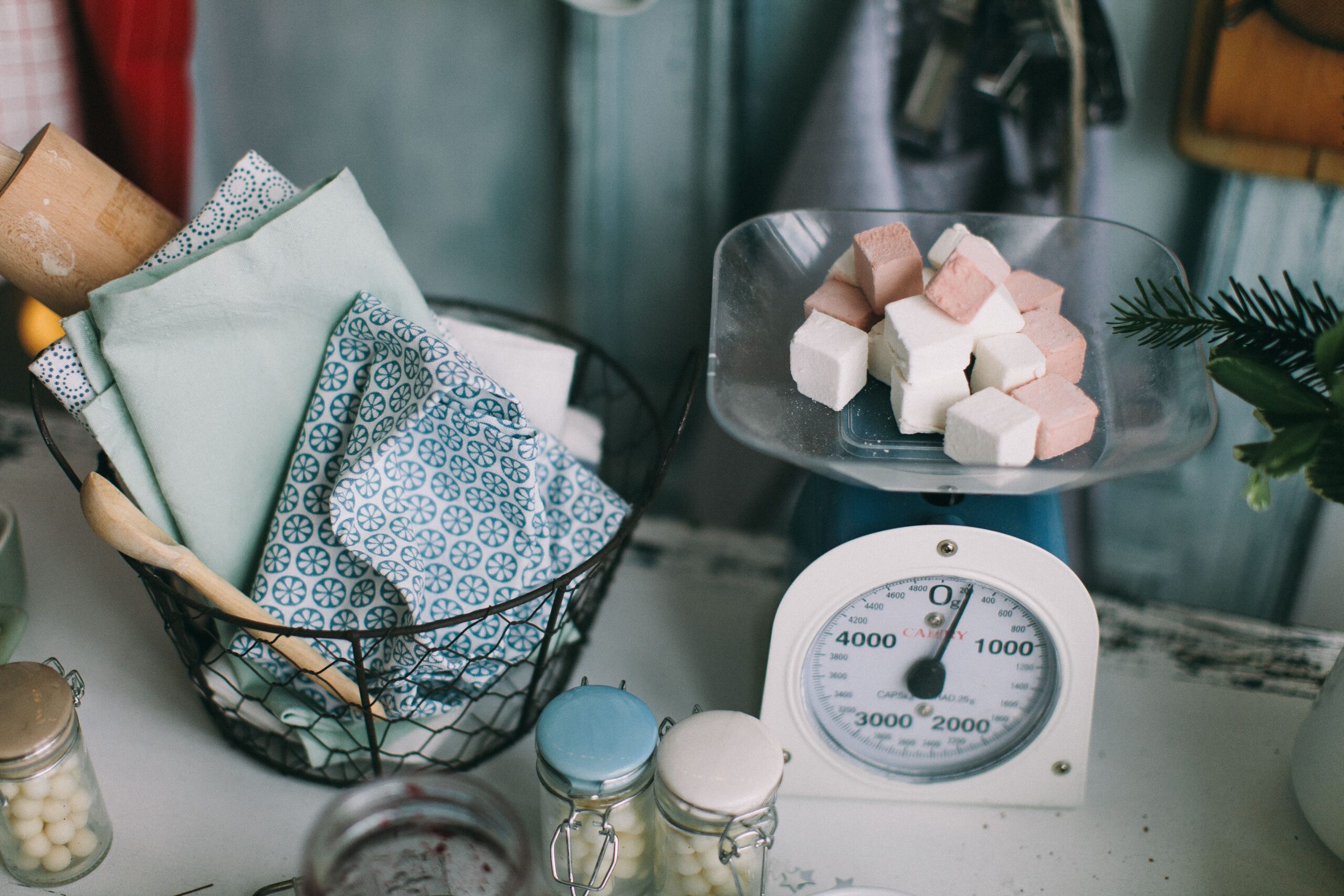
Understanding how to use a cooking measurement conversion table effectively means recognizing that ingredients behave differently. For instance, brown sugar is packed tighter than white granulated sugar, meaning a cup of brown sugar will actually weigh more. When in doubt, investing in a cheap digital kitchen scale is a game-changer for your baking journey. It eliminates the guesswork entirely and keeps your dishes consistent every single time.
For more advanced strategies on mastering your kitchen metrics, check out our extra tips about measurements to level up your culinary skills.
Frequently Asked Questions (FAQ)
What is the difference between a liquid cup and a dry cup?
While a standard liquid measuring cup and dry measuring cup hold the same volume (240 ml), dry measuring cups allow you to level off the top of ingredients like flour or cocoa powder for accurate weight, whereas liquid cups feature a pour spout to prevent spills.
Why do some recipes use “grams” while others use “cups”?
Grams belong to the Metric system, which is highly precise and used by professional chefs worldwide. Cups belong to the Imperial or US Customary system, which focuses on volume. Using a cooking measurement conversion table ensures you can cook any recipe regardless of where it was written.
What Is Your Go-To Measurement System?
Do you prefer baking with a digital kitchen scale in grams, or are you a fan of classic measuring cups and spoons? Let us know in the comments below, and don’t forget to share this helpful chart with your fellow foodies!